Source princess cut birthstone connectors for Bracelets, Necklaces, and Earrings
Compare 30 listings of princess cut birthstone connectors made from zinc alloy, brass, and stainless steel. Buyers can evaluate sizes, plating options, and customization availability for jewelry findings and accessories.
Key considerations
Products List




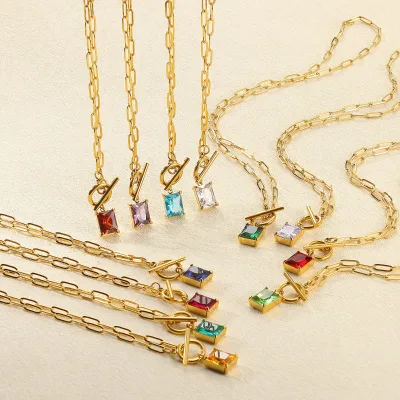
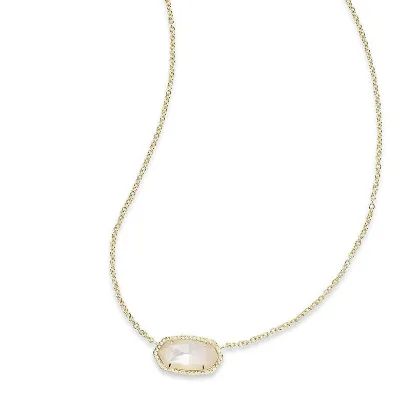
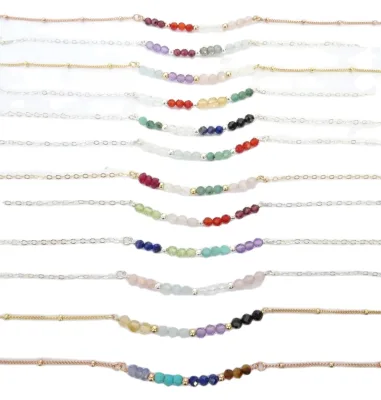


Comprehensive Sourcing Guide
Strategic Sourcing Guide for Princess Cut Birthstone Connectors
Understanding Product Specifications and Material Variance
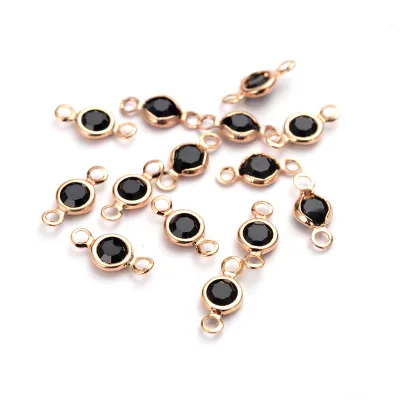
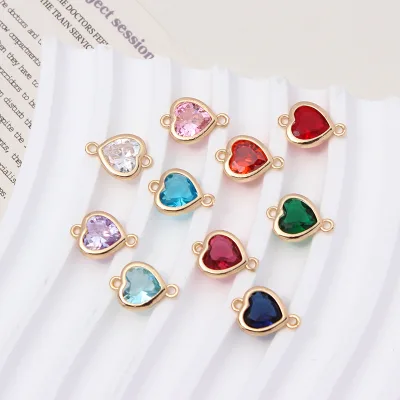
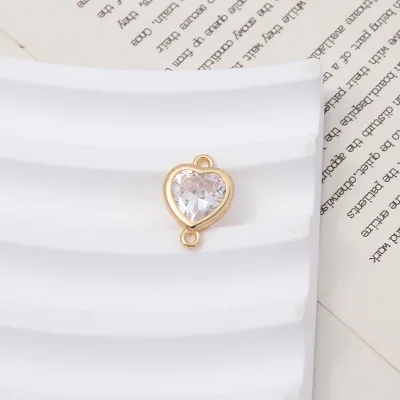
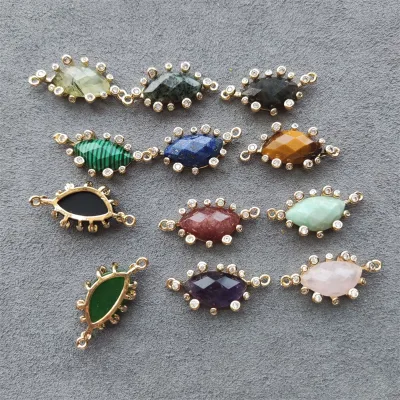
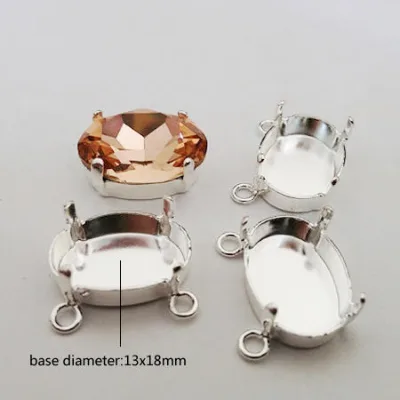
When sourcing connectors specifically described as "princess cut birthstone connectors," buyers must first reconcile the core keyword with the actual market inventory available. The term "princess cut" typically refers to a specific square shape with cropped corners, a style distinct from the round or heart shapes frequently observed in general connector listings. However, the provided product data reveals a diverse inventory where "Round" shapes and "Heart" pendant shapes are explicitly documented alongside "Birthstone" branding. For instance, specific listings identify "Colorful Birth Stone Charm" units with a "Round" shape and a size of 4 mm, while other entries describe "Heart Crystal Brass Jewelry Connector" units measuring 10*14mm.
The material composition is equally critical and varies significantly across the supply base. The observed data indicates that "Zinc Alloy" is a primary material for colorful charms, offering a cost-effective base for plated findings. Conversely, "Brass" is listed for heart crystal connectors, and "Stainless Steel" appears in listings for silver and gold-colored items. While the keyword implies a specific cut, the actual procurement strategy must account for the fact that many suppliers offer "mix" designs or "Multi" color options rather than a uniform princess cut. Buyers should verify if the "princess cut" requirement is a strict geometric constraint or if square-shaped alternatives in the "mix" category satisfy the design intent. The single package size for these components is often compact, recorded as 1X1X1 cm for smaller charms, which impacts packaging efficiency and shipping costs.
Technical Dimensions and Design Attributes
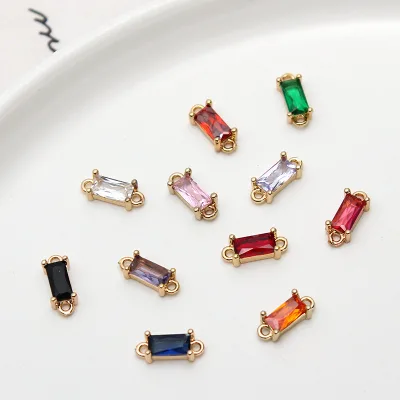
Precision in dimensions is paramount for connectors intended to hold birthstones securely. The observed product data highlights a wide range of sizes, from 4 mm for small round charms to 10 x 4 mm for birthstone connectors and 10*14mm for heart-shaped units. When evaluating suppliers for "princess cut" items, buyers must request specific dimensional drawings, as the standard listings often provide general size ranges like "16inches, 20inches, 28inches" for chains rather than the connector itself. The weight of individual units is also a key technical specification; observed weights range from 0.5g for zinc alloy charms to 0.003 kg (3g) for brass connectors.
The "Design" attribute in the supply data often lists "mix" or "Picture Colors," suggesting that color consistency may vary between batches. For a buyer seeking specific birthstone colors, the "Color" field in the data shows numeric codes (1-11) or specific alphanumeric codes like "DR27069N." This indicates that color selection is often managed through a catalog system rather than a simple "red" or "blue" label. Furthermore, the "Plating" options observed include "Gold" and "Silver," which are essential for matching the metal tone of the birthstone setting. Buyers must confirm that the plating thickness and adhesion meet the requirements for the intended jewelry type, whether it is a "Jewelry Pendant Finding" or a "Bracelet Diy Accessory."
Compliance, Material Safety, and Certification Verification
Safety compliance is a non-negotiable aspect of sourcing jewelry findings, particularly those marketed as "Nickel-Free Lead-Free." The provided data explicitly lists "Feature: Nickel-Free Lead-Free" for certain zinc alloy products, which is a significant selling point for markets with strict regulations like the European Union or the United States. However, buyers cannot assume that all "Birthstone Connectors" in the inventory carry this certification. The presence of "Stainless Steel" in the material list suggests a naturally hypoallergenic alternative, but the plating on brass or zinc alloy items requires specific verification.
Buyers must verify the absence of heavy metals such as lead, cadmium, and nickel through third-party testing reports. While the data mentions "prod_standard: 8g" for one item, this likely refers to a weight standard rather than a safety certification like REACH or RoHS. It is crucial to distinguish between a weight specification and a material safety standard. Suppliers should be required to provide current test reports from accredited laboratories confirming that the plating and base metal do not exceed regulatory limits for heavy metals. For products intended for children or sensitive skin, verifying the "Nickel-Free" claim is essential, as the "OEM" branding suggests the products may be customized for various markets with different regulatory thresholds.
Cost Drivers and Pricing Dynamics
The pricing for connectors is influenced by material costs, plating quality, and order volume. The observed price range in the market spans from $0.01 to $650, a vast disparity that reflects the difference between single-unit samples and bulk industrial orders. The "MOQ" (Minimum Order Quantity) ranges from 1 to 1000, indicating that suppliers are flexible with small batch testing but may require larger commitments for custom plating or specific cuts. The "Selling Units" field notes "Single item" for some charms and "Multiple of 10" for others, which directly impacts the unit economics.
Material choice is a primary cost driver. Zinc alloy is generally more affordable than brass or stainless steel, but the latter offers superior durability and corrosion resistance. The "Plating" process also adds cost; gold and silver plating on brass or zinc requires different chemical baths and quality controls compared to raw metal finishes. Additionally, the "Customization: Available" attribute suggests that bespoke designs, such as a specific princess cut, may incur higher tooling or setup fees. Buyers should analyze the "Gross weight per batch" (e.g., 0.040 kg) to understand shipping costs, as lightweight items often have high shipping-to-product ratios. Understanding these variables helps in negotiating better terms, especially when moving from a "Single item" purchase to a "Multiple of 10" or larger batch.
Supplier Evaluation and Quality Assurance Protocols
Evaluating suppliers for birthstone connectors requires a focus on consistency and reliability. The data shows a "Place Of Origin" concentrated in "Guangdong, China," a major hub for jewelry manufacturing. While this indicates a mature supply chain, it also means competition is high, and quality can vary between factories. Buyers should prioritize suppliers who demonstrate clear "Packing" standards, such as "Opp Bag" for individual items or "Carton Box" for bulk shipments, to prevent damage during transit. The "Style" attribute, described as "Trendy Findings" or "Fashion," suggests that suppliers must stay updated with current jewelry trends to provide relevant products.
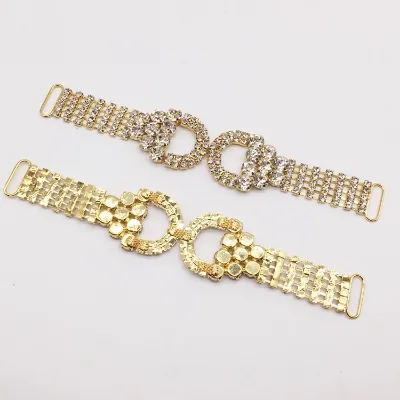
Quality control protocols should include visual inspections for plating uniformity, dimensional accuracy, and structural integrity. Since the "Design" often involves a "mix" of colors, a random sampling plan is necessary to ensure color accuracy matches the "Picture Colors" or specific codes provided. For "OEM" products, verifying the brand name consistency is important, as some listings show "OEM Double Loops Rhinestone Connector" while others show "OEM Heart Crystal Brass Jewelry Connector." Buyers should request samples of the specific "princess cut" or square alternatives to test the fit with their specific birthstone settings. The "Suitable for: Female" attribute indicates the target demographic, but the mechanical strength of the connector must be verified regardless of the end-user.
Long-Term Procurement and Application Strategy
The application of birthstone connectors extends beyond simple assembly; they are often used in "Wedding, Decoration, Gift" scenarios, as noted in the usage attributes. This implies that the connectors must maintain their aesthetic appeal over time, resisting tarnish and wear. The "Usage: Decoration" and "Style: Fashion" tags suggest that these items are subject to changing trends, requiring suppliers who can offer rapid turnover and consistent quality. For long-term procurement, establishing a relationship with a supplier who offers "Customization: Available" is beneficial, allowing for branding or specific design tweaks that differentiate the final product.
Buyers should also consider the "Single gross weight" and "Single package size" for logistics planning. A 1X1X1 cm package is highly efficient for storage and shipping, but the "Gross weight per batch" must be calculated to optimize container loading. The "Length" specifications for chains (e.g., 45cm, 16inches) indicate that connectors are often part of a larger assembly, and compatibility with standard chain sizes is a critical factor. Finally, the "Selling Units" structure, whether single or in multiples, affects inventory management. Buyers should aim to standardize their orders to leverage bulk pricing while maintaining the flexibility to adjust to market demand for specific birthstone colors and cuts.
Comparative Analysis of Connector Options
To assist in decision-making, the following table summarizes the key attributes observed in the supply base, highlighting the differences between material types and design features.
| Attribute | Zinc Alloy Charm | Brass Connector | Stainless Steel |
|---|---|---|---|
| Typical Shape | Round | Heart | Various (Silver/Gold) |
| Size Range | 4 mm | 10*14 mm | Variable |
| Weight | 0.5g | 0.003 kg | Variable |
| Plating | Gold, Silver | Gold, Silver | Gold, Silver |
| Feature | Nickel-Free, Lead-Free | Customizable | Durable |
| MOQ | 1-1000 | Multiple of 10 | Variable |
| Origin | Guangdong, China | Guangdong, China | China |
This comparison underscores that while "princess cut" is the target keyword, the actual market offers a spectrum of shapes and materials. Buyers must align their specific design needs with the available inventory, prioritizing material safety and dimensional accuracy over a rigid adherence to a single shape if the market supply is limited. By focusing on these verified attributes, procurement teams can build a resilient supply chain for high-quality birthstone connectors.
FAQs
What materials are used for birthstone connectors?
Common materials include zinc alloy, brass, and stainless steel. Zinc alloy offers cost-effectiveness, while brass and stainless steel provide durability and hypoallergenic properties for sensitive skin.
Which shapes are available for birthstone charms?
Available shapes include round, heart, and various mix designs. While round and heart shapes are documented, buyers should verify if square or princess cut options exist in specific mix batches.
Can I find nickel-free and lead-free connectors?
Yes, some zinc alloy products are explicitly labeled as nickel-free and lead-free. Buyers must verify third-party test reports to ensure compliance with safety regulations for specific markets.
What is the typical size range for these connectors?
Sizes range from 4 mm for small charms to 10 x 4 mm or 10*14 mm for larger units. Precise dimensions vary by model, so specific drawings should be requested for custom fits.
How does the MOQ vary for these items?
Minimum Order Quantities range from 1 to 1000 units depending on the supplier and product type. Some items sell as single units, while others require multiples of 10 for purchase.
Where are these connectors typically manufactured?
Most products originate from Guangdong, China, a major hub for jewelry manufacturing. This location indicates a mature supply chain with high competition and varied quality levels among factories.
What plating options are available for these findings?
Gold and silver plating are standard options for brass, zinc alloy, and stainless steel items. Buyers should confirm plating thickness and adhesion to ensure the finish matches their design requirements.